A professional engine diagnostic typically runs between $90 and $220 at most shops, with complex electrical or intermittent problems pushing that toward $400. Dealerships usually charge more than independent shops for the same scan, and the final number depends heavily on your shop’s labor rate and how long the fault takes to pin down.
TL;DR:
- Engine diagnostic costs vary widely, typically ranging from $90 to $180 at independent shops and higher at dealerships, especially for complex electrical issues.
- A full diagnostic includes retrieval of fault codes, live data monitoring, visual inspection, and sometimes specialized tests, with reports provided before repairs are authorized.
- Regional labor rates can cause diagnostic costs to differ significantly, with high-cost areas potentially adding dozens of dollars to the bill for the same diagnostic job.
- Asking for a written scope and confirmed fee before approval can help manage costs and ensure the diagnostic is credited toward repairs if approved.
- A legitimate diagnostic goes beyond a simple code read, providing detailed data, visual evidence, and a clear report to accurately identify root causes.
Table of Contents
- Engine Diagnostics Cost: What You’ll Actually Pay
- What a Paid Engine Diagnostic Actually Covers
- Why the Same Diagnostic Costs Different Amounts
- How to Get More Value From Your Diagnostic Visit
- How Kwik Kar Oil Change & Auto Care Handles Engine Diagnostics
- Why “It Depends” Is the Only Honest Price Answer
- Book an Engine Diagnostic in Irving With Confidence
- Sources
- FAQ
Engine Diagnostics Cost: What You’ll Actually Pay
Price bands vary more than most drivers expect, and the gap between a quick code read and a full diagnostic workup explains most of it. Independent shops typically charge about $90 to $180 for a full diagnostic, while dealer diagnostics usually run higher, often $150 to $240 or more. Other sources put the range even wider: $40 to $160 at independent shops and $100 to $500 at dealerships, depending on the vehicle and the problem.
Here’s how those numbers break down by scope:
- Basic scan and code read: Often $0 to $50, mostly a quick pull of stored codes with little interpretation.
- Full diagnostic (Level 2): Roughly $90 to $180 at independent shops, covering live-data testing and a road test.
- Advanced or Level 3 troubleshooting: $200 to $400 for intermittent electrical faults that need extended bench time.
- Dealership diagnostics: $150 to $500, reflecting factory scan tools and brand-specific training.
- Mobile mechanic diagnostics: Comparable to independent-shop rates, plus a possible trip or convenience charge.
The math behind these numbers is simple: labor hours multiplied by the shop’s hourly rate. A shop charging $120 an hour that spends 45 minutes on your economy midsize sedan lands around $90. A full-size truck with a stubborn misfire that takes 90 minutes at the same rate runs closer to $180. A European luxury sedan at a dealer charging $180 an hour for two hours of electrical tracing can hit $360 before a single part gets ordered.
Regional labor rates swing the final bill more than most people realize. AAA’s data shows labor rates vary by roughly 66% between the cheapest and most expensive states, so the identical diagnostic job can cost noticeably more in a high-cost metro than in a smaller market. Many shops also apply a charge-and-credit policy: they charge the diagnostic fee upfront, then credit it toward the repair bill once you approve the work. That single question, “does the diagnostic fee get credited toward the repair,” can change your total cost by $100 or more.

What a Paid Engine Diagnostic Actually Covers
A free code read at an auto parts store store pulls a generic trouble code and stops there. A paid diagnostic goes further, confirming what that code actually means for your specific vehicle. Here’s what a legitimate diagnostic visit should include:
- OBD-II code retrieval to identify stored and pending fault codes.
- Freeze-frame data review, which shows the engine conditions (RPM, temperature, load) at the moment the fault triggered.
- Live-data monitoring while the engine runs, tracking sensor readings in real time rather than just a snapshot.
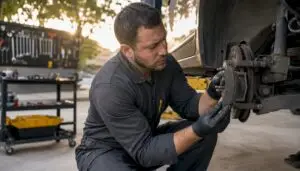
- Visual inspection of wiring, connectors, vacuum lines, and related components tied to the suspected system.
- A road test to reproduce the symptom under real driving conditions.
- Specialized testing when needed: a smoke test for EVAP leaks, a parasitic draw test for battery drain, or an oscilloscope check for electrical signal problems.
The deliverable matters as much as the testing. A proper written report, or a Digital Vehicle Inspection with photos and video, should spell out the findings, the likely cause, a recommended repair, and the measured data that backs it up.
Pro Tip: Before you approve any diagnostic, ask the service advisor what specific tests are included and whether you’ll get a written report with data, not just a verbal “it needs a sensor.”
Why the Same Diagnostic Costs Different Amounts
Several concrete factors push engine diagnostics cost up or down, and most of them have nothing to do with your car’s actual problem.
- Shop labor rate. This is the single biggest lever, since diagnostics are almost entirely labor, not parts.
- Technician experience and training. A shop investing in ongoing certification tends to charge more, but also tends to diagnose faster and more accurately.
- Equipment and software investment. Professional scan tools and manufacturer software subscriptions can cost thousands of dollars and get baked into hourly rates.
- Vehicle complexity. European luxury models, hybrids, and EVs often require proprietary scan tools and factory training that push dealer rates higher.
- Intermittent or electrical faults. These can legitimately take 1 to 3 hours or more, since the technician has to reproduce a problem that may only show up occasionally.
- Geography. Local labor-rate differences alone can shift the same job by dozens of dollars.
Modern vehicles run on layers of embedded software and sensors, so a single check-engine code can point to a dozen different root causes. That’s also why diagnosis sometimes takes longer than the actual repair. Tracing a short circuit buried under a dashboard harness can eat two hours before the technician even touches the part that needs replacing.
How to Get More Value From Your Diagnostic Visit
You have more control over the final cost than most drivers assume.
- Ask for a written scope and time estimate before you approve anything. A good service advisor can tell you which tests are included and roughly how long they’ll take.
- Ask whether the diagnostic fee applies to the repair. Many shops credit it once you approve the work, but it’s never guaranteed unless you ask.
- Describe the symptom precisely. Note when it happens (cold start, highway speed, after rain) so the technician can reproduce it faster.
- Start with a free code read for a simple check-engine light. Save the paid diagnostic for confirmed or recurring issues.
- Get the written report and compare quotes on expensive repairs. A second opinion is worth the extra hour if the estimate runs into four figures.
Pro Tip: Take a video or note the exact conditions when a warning light appears. Handing a technician “it happens on cold mornings around 35 degrees” saves diagnostic time and money.
How Kwik Kar Oil Change & Auto Care Handles Engine Diagnostics
Kwik Kar Oil Change & Auto Care staffs ASE-certified technicians and backs every diagnostic with a Digital Vehicle Inspection, so you’re not left guessing what the fee bought you.
- Every diagnostic includes a written report with the technician’s findings, not just a code number.
- The Digital Vehicle Inspection sends photos, video, and notes straight to your phone.
- You see the measured data and recommended repair before you approve any work.
- Kwik Kar Oil Change & Auto Care serves individual drivers and local fleets around Irving, so the same transparent process applies whether you’re checking one car or managing several.
- Same-day availability is common, and customers can inquire about current diagnostic fees and credit policies before booking.
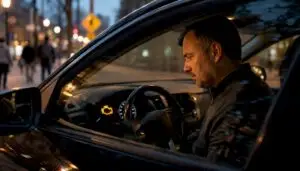
If your check-engine light is on, read what it typically means before you decide between a quick scan and a full diagnostic.
Why “It Depends” Is the Only Honest Price Answer
The conventional advice on engine diagnostics cost usually stops at a single dollar figure, and that’s exactly where it fails drivers. A flat number ignores the two variables that actually determine your bill: how complex the fault is and what your local shop charges per hour. Anyone quoting one price for every car and every symptom is oversimplifying.
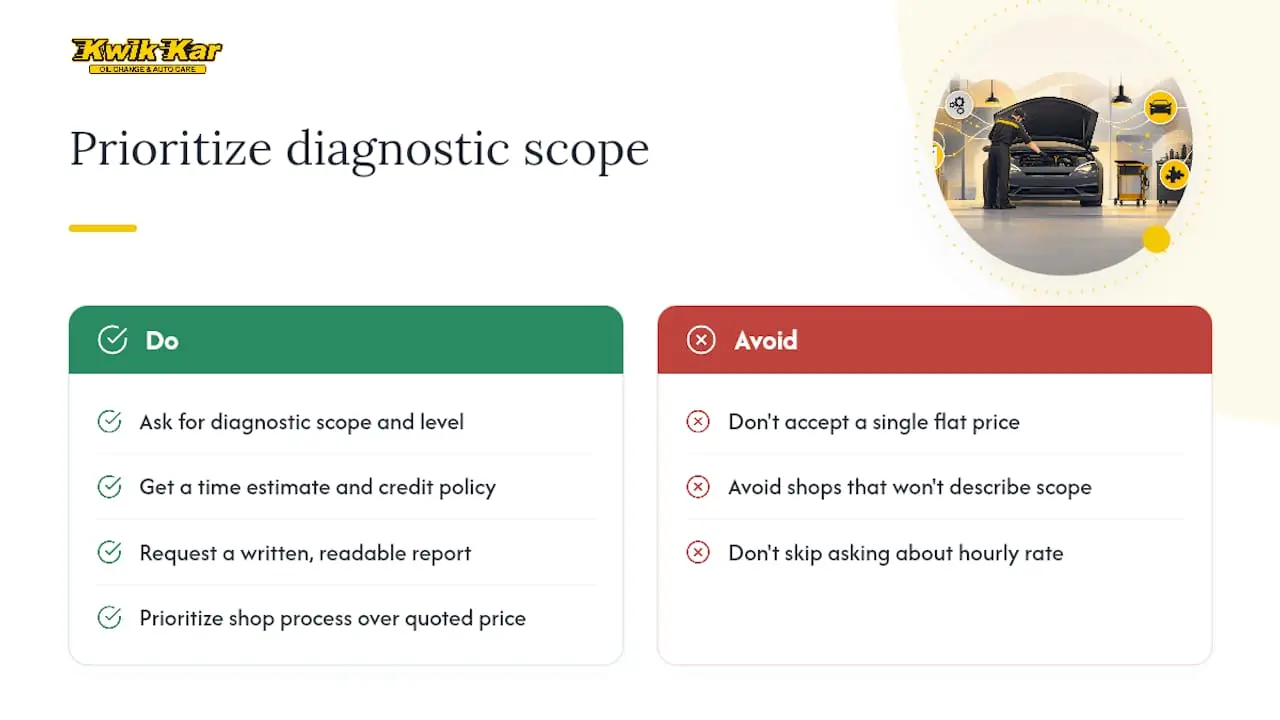
What the research actually supports is a different approach: ask for the scope before you ask for the price. A shop that can tell you upfront, “this is a Level 2 diagnostic, roughly 45 minutes to an hour, and the fee credits toward repair if you approve,” is giving you something more useful than a number pulled from a national average. That transparency, paired with a written report you can actually read, tells you more about value than any price range in this article.
Prioritize the shop’s process first. The price follows from there, and a fair price attached to a vague scope isn’t actually a fair deal.
— Kwik Kar
Book an Engine Diagnostic in Irving With Confidence
You now know what a fair diagnostic should cost and what it should include. The shop backs that up locally with ASE-certified technicians and a Digital Vehicle Inspection on every visit to provide photos, video, and technician notes rather than a vague verbal explanation.
When you bring your vehicle in for an engine diagnostic, have your symptoms ready to describe: when the light came on, what driving conditions trigger it, and any recent repairs or maintenance. That information alone can shave real time off the diagnostic process. Ask the service advisor about current specials before you book, since Kwik Kar Oil Change & Auto Care regularly posts local offers that can apply to your visit. Schedule your diagnostic appointment today and get a clear, documented answer instead of a guess.
Sources
- RepairMath — Diagnostic fee and pricing guidance
- The Daily Automotive — What is a diagnostic fee for car repair?
- AAA — Average mechanic labor rate: repair costs in your state (2026)
- Marlow Automotive — Complete engine diagnostic explained
FAQ
How Much Does It Cost to Diagnose a Car Engine?
A full diagnostic typically costs $90 to $180 at an independent shop and more at a dealership, often $150 to $240 or higher. Complex electrical or intermittent problems can push the diagnostic portion alone to $200 to $400.
Does AutoZone Do a Free Engine Diagnostic?
Many auto parts stores offer a free basic code read, but that only pulls the stored trouble code, it doesn’t test live data, inspect components, or confirm the root cause. A paid diagnostic at a repair shop goes further and gives you an actual documented finding.
Is a $200 Diagnostic Fee Normal?
Yes, especially for advanced or Level 3 troubleshooting involving intermittent electrical faults, which can run $200 to $400 for the diagnostic time alone. For a straightforward code check, $200 would be on the high end unless it’s at a dealership.
Is a Car Diagnostic Worth It?
A proper diagnostic is worth it whenever a warning light is persistent, a symptom keeps recurring, or you’re facing a repair estimate you want confirmed. It replaces guesswork with measured data, and many shops credit the fee toward the repair once you approve the work, so the cost often isn’t wasted money.
Does Kwik Kar Oil Change & Auto Care Provide a Written Diagnostic Report?
Yes. Every engine diagnostic at Kwik Kar Oil Change & Auto Care includes a Digital Vehicle Inspection with photos, video, and technician notes sent directly to your phone. Ask your service advisor about current pricing and the shop’s policy on crediting the diagnostic fee toward repairs.